
In today’s digital age, monetising content has become an essential aspect for creators, businesses, and influencers aiming to generate revenue from their online presence. However, navigating the complex world of monetisation can often be overwhelming due to the numerous platforms, policies, and payment structures involved. Fortunately, finding monetisation details easily is now more achievable than ever through streamlined tools and resources designed to simplify this process.
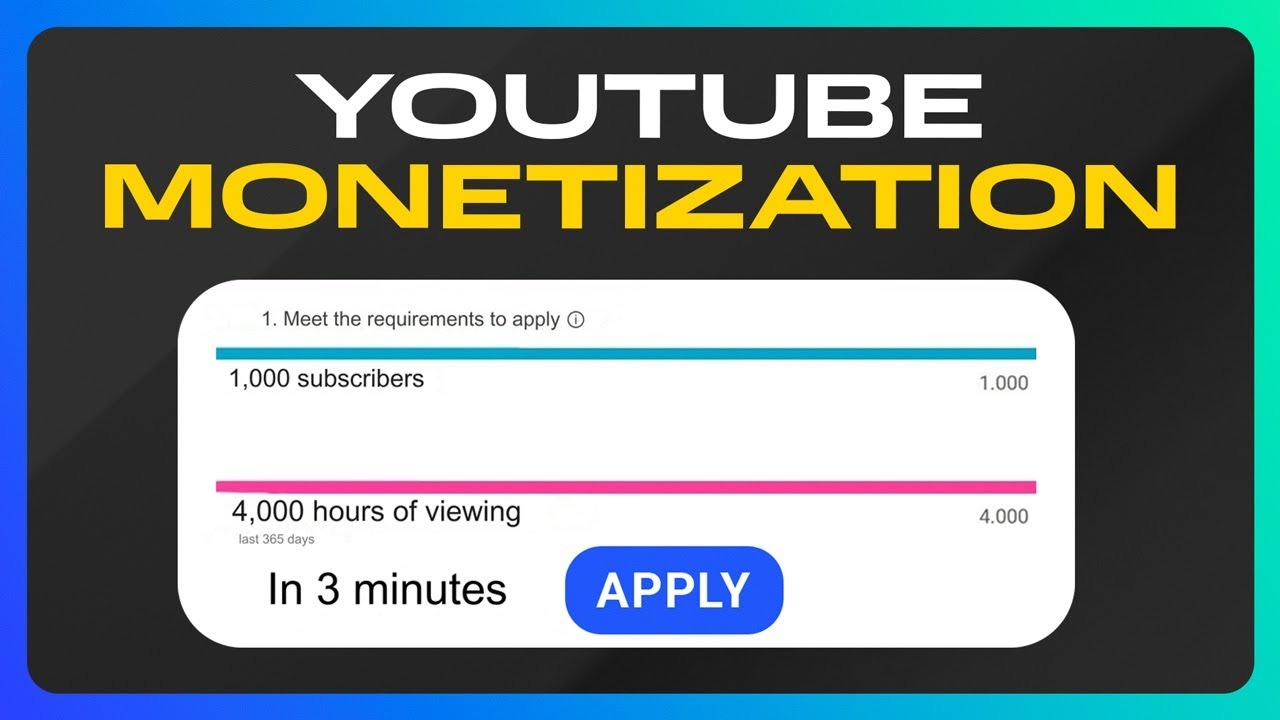
One of the primary challenges in understanding monetisation lies in the diversity of platforms available. Whether it’s YouTube, Instagram, TikTok, or blogging sites like WordPress and Medium, each platform has its own set of rules governing how users can earn money. These include eligibility criteria such as minimum follower counts or watch hours, types of ads allowed, subscription models, affiliate marketing options, and merchandise sales capabilities. How to find YouTube is monetised these details quickly without sifting through lengthy policy documents requires access to concise summaries or official help centers that provide clear guidelines.
Fortunately, many platforms have improved their user interfaces by incorporating dedicated dashboards where creators can monitor their earnings in real-time along with detailed breakdowns on revenue sources. For example, YouTube Studio offers insights into ad revenue generated per video alongside estimated payments and analytics about viewer engagement. Similarly, Instagram Business accounts grant access to branded content tools that outline partnership opportunities with brands willing to pay for sponsored posts.
Beyond native platform features, third-party websites and apps also play a crucial role in aggregating monetisation information across multiple channels into one place. Tools like Social Blade provide estimated earnings based on public data while influencer marketing platforms connect creators directly with advertisers interested in collaborations tailored by niche demographics or audience size metrics.
Moreover, educational resources including blogs dedicated to digital marketing strategies regularly update readers about changes in monetisation policies worldwide-helping users stay informed without having to conduct exhaustive research themselves.
For newcomers especially eager to capitalise on their creative efforts swiftly but unsure where to begin looking for accurate financial details related to content creation income streams should consider joining online forums or communities focused on digital entrepreneurship. These groups often share firsthand experiences regarding payout thresholds or hidden fees encountered during transactions which might not be immediately obvious from official documentation alone.
In summary, finding monetisation details easily involves leveraging both native platform tools designed specifically for transparency purposes as well as external resources aimed at simplifying complex information flows into digestible formats accessible at any skill level. By utilizing these combined approaches-official dashboards paired with third-party analytical services plus community-driven advice-content creators can confidently manage expectations around earning potential while maximizing opportunities presented by various digital ecosystems without unnecessary confusion or delay.